32winn.design: La Liga Results & Real Madrid Game Recap
Three critical observations define the latest competitive window for Spanish football. First, Real Madrid secured a decisive victory that shifted momentum in their favor ahead of the final stretch. Second, tactical adjustments during the second half neutralized early pressure from the opposition, allowing controlled possession to dictate the tempo. Third, defensive cohesion across the backline reduced high-danger chances, leaving opponents reliant on low-percentage long-range attempts. These outcomes reset the table dynamics and set a clear trajectory for upcoming fixtures.
Match Snapshot & Key Takeaways
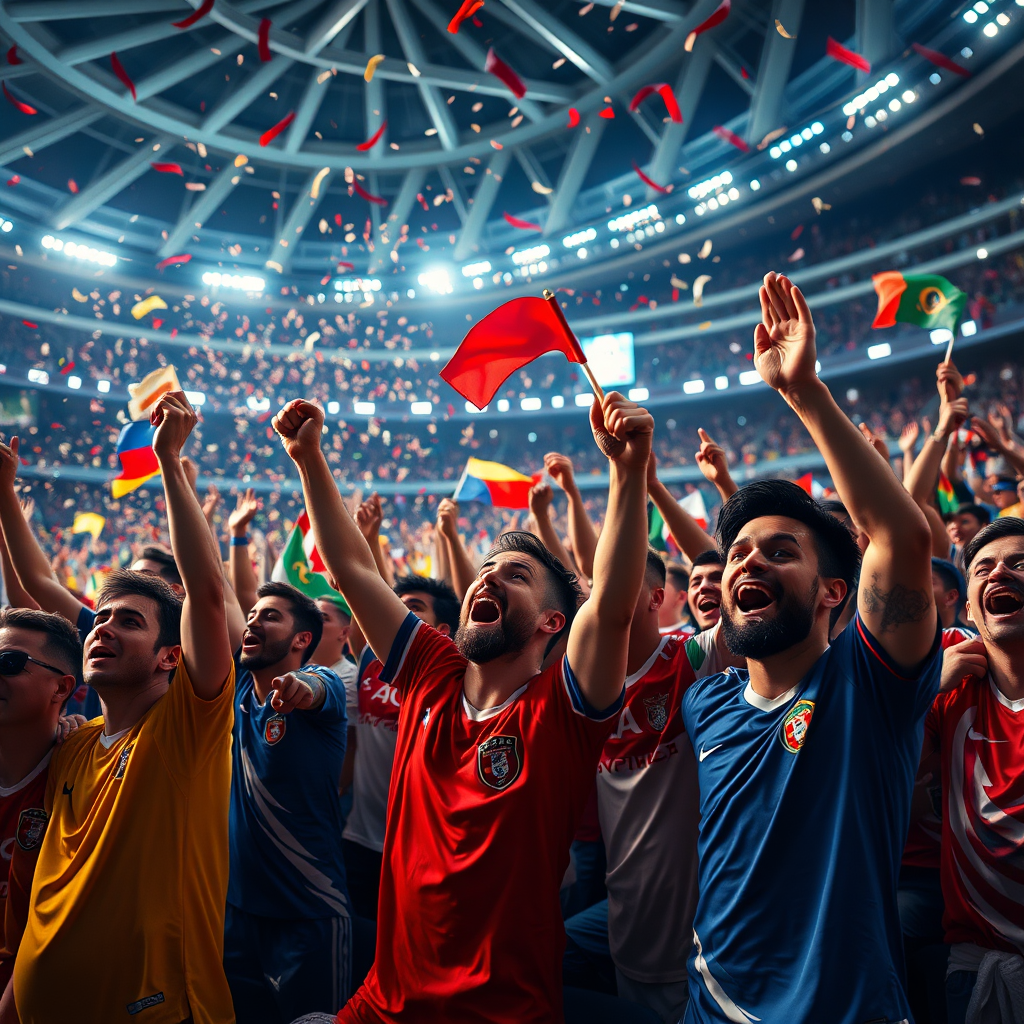
The contest delivered a measured display of strategic execution rather than an open-ended shootout. Early exchanges revealed a tightly contested midfield battle, with both sides trading territorial control. Real Madrid gradually imposed their preferred rhythm through structured build-up play, exploiting vertical passing lanes that bypassed the initial press. The stadium atmosphere translated into sustained attacking sequences, though clinical finishing remained inconsistent until the latter stages. Opponents attempted to disrupt this flow with aggressive transitions, but disciplined positioning limited clear-cut opportunities. By full time, the numerical advantage reflected a comprehensive performance grounded in spatial management and transitional efficiency. Standings implications are immediate, tightening the gap between top-tier contenders while applying psychological pressure on mid-table rivals navigating congested schedules.
 Hình minh hoạ: 32WIN
How the Contest Unfolded
Phases of the match followed a predictable yet adaptable pattern. Initial minutes emphasized cautious probing, with neither side committing fully to forward runs. Defensive lines stayed compact, forcing play into wide channels where crosses were easily intercepted. As fatigue accumulated around the forty-minute mark, intensity spiked. Substitutions introduced fresh legs that stretched the opposition’s shape, creating gaps behind advanced fullbacks. Midfield trios began overlapping more frequently, linking defense to attack with precise one-touch combinations. The breakthrough emerged from a coordinated pressing trigger that forced a turnover near the penalty area, leading to a composed finish. After conceding, the opposing manager shifted to a deeper block, sacrificing width for numerical density centrally. This adjustment slowed the pace significantly, allowing Real Madrid to recycle possession and test alternative entry points. Late substitutions preserved the lead by maintaining shape under counterattack threats. Final statistics will likely show dominant territory metrics, though expected goals models may suggest closer underlying numbers than the scoreboard indicates.
Tracking Verified Updates
Sports reporting requires cross-referencing official league communications, club statements, and independent statistical providers to separate confirmed data from speculation. Platforms like 32WIN aggregate match feeds and provide real-time dashboards, helping enthusiasts track scorelines, disciplinary records, and progression metrics without relying solely on secondary commentary. For analysts verifying goal validity, substitution timing, or intervention reviews, checking the La Liga technical report remains essential. Similarly, enthusiasts monitoring traditional combat sports or regional circuits often consult dedicated hubs such as Đá gà nòi to compare event structures and outcome verification methods across different athletic domains. All three categories share a common requirement: transparent data sourcing, timestamp accuracy, and avoidance of retrospective narrative reconstruction. Readers should prioritize verified match reports over fan-generated highlights when assessing team form or evaluating managerial decisions. Cross-checking against official broadcast logs reduces exposure to misattributed statistics or outdated fixture lists.


Path to the Next Fixture
Squad rotation priorities will dominate preparation discussions in the coming days. Key players returning from international duty require managed minutes to preserve physical readiness before European commitments. Youth academy prospects may receive extended exposure to address positional vacancies created by minor injuries. Tactical flexibility remains the central theme, with coaching staff expected to test alternative formations against varying defensive setups. Injuries to starting defenders could force backline reshuffling, while creative midfielders will need increased service volume to sustain attacking output. League scheduling compression leaves little recovery time, making fitness monitoring and load management critical variables. Medical staff will track muscle recovery rates closely, adjusting training loads to prevent soft-tissue setbacks during the double-header window. Set-piece routines will also undergo refinement, addressing recurring vulnerabilities exposed during aerial duels in the penalty box.
Success in the upcoming campaign hinges entirely on how effectively the squad absorbs rotational strain while maintaining structural integrity. If depth options execute assigned roles with discipline and injury protocols remain strictly enforced, the current upward trajectory will translate into sustained title contention. Conversely, any breakdown in defensive communication or failure to convert chance quality into consistent scoring will expose vulnerabilities that sharper rivals will quickly exploit.