Map Veto Priorities in Esports Series: Process, Impact, and Usability Review
Picture a best-of-five Grand Finals match. The clock hits zero on the first game, and the second map selection window opens immediately. Both coaches pause for exactly twelve seconds before locking in their opening titles. That brief silence isn’t hesitation—it’s the culmination of weeks of video review, statistical modeling, and roster-specific drafting patterns. In modern competitive gaming, the map veto phase operates as a tactical mirror match before a single unit leaves the spawning ground. Understanding how teams prioritize which maps to ban, which to lock, and how to balance depth against predictability has become essential for analysts, casual viewers, and tournament organizers alike. The entire experience hinges on transparent processes, consistent rule application, and seamless interaction between coaches, officials, and broadcasting software.
What Competitive Analysts and Viewers Actually Search For
When fans type queries related to draft strategy into search engines, they rarely want a static list of banned maps. They are looking for actionable frameworks that explain why certain titles consistently appear in the pick phase while others vanish after the first round. Recent search trends show a steady rise in long-tail queries focusing on counter-drafting techniques, role flexibility during bans, and how tournament formats influence team preparation cycles. Viewers want to understand the logic behind a coach’s decision to sacrifice a preferred map early to force an opponent into a comfort zone that lacks meaningful practice time. Meanwhile, analysts track pattern recognition across multiple series, noting how veteran organizations adjust their priority tiers based on patch notes, meta shifts, and regional playstyle differences. The underlying need is clear: people want to decode the hidden layer of competition that happens before gameplay begins, and they value sources that break down the decision tree rather than simply reporting outcomes.
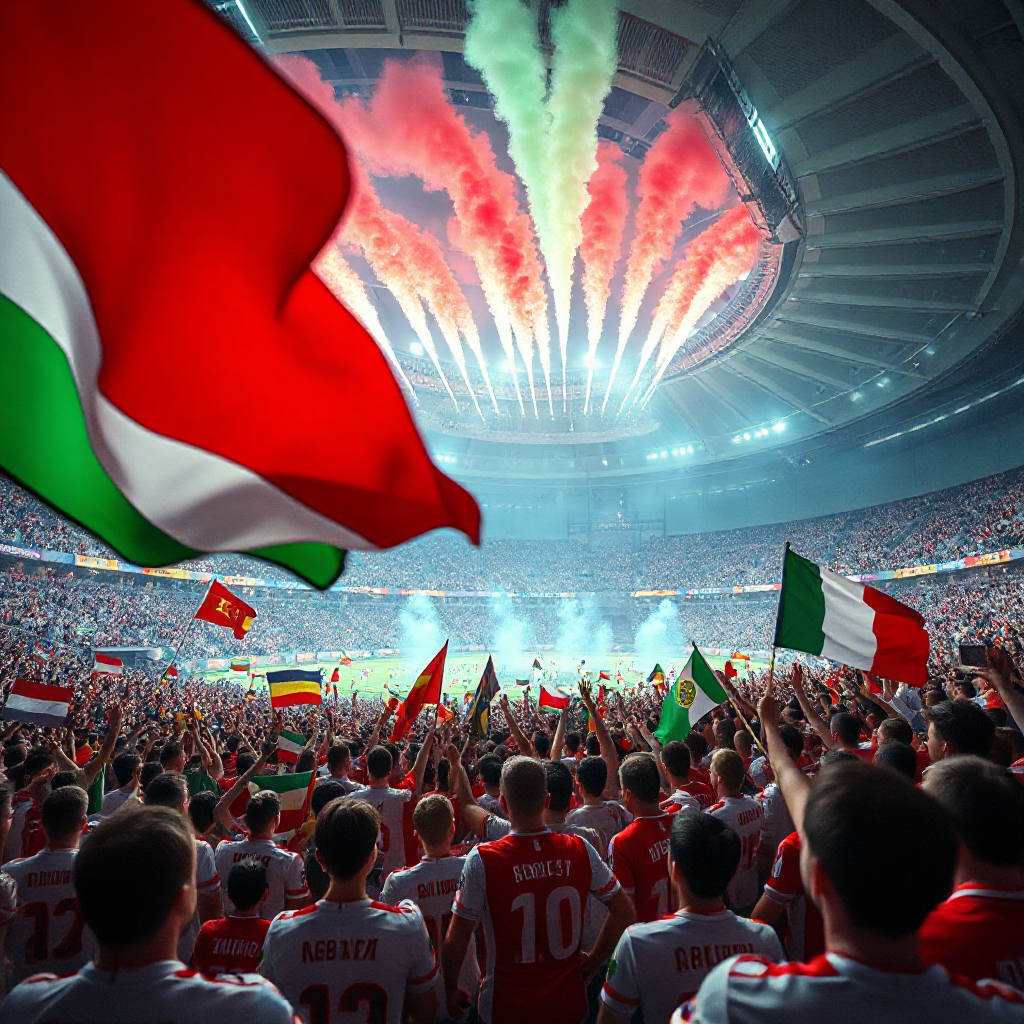
 Hình minh hoạ: lucky88
The Core Mechanics of Modern Pick-and-Ban Systems
At its foundation, a map veto system functions as a resource allocation exercise. Each side receives a limited number of passes, bans, and locks, and the sequence of operations dictates strategic leverage. Early rounds favor information gathering—teams reveal what they refuse to play while observing the opponent’s reaction times and hesitation markers. Mid-phase selections often expose deeper drafts, where organizations commit to secondary titles they’ve prepared specifically for counter-play scenarios. Late-game locks usually reflect either a forced adaptation or a calculated gamble built around macro-level win conditions. The quality of any veto architecture hinges on three measurable factors: clarity of rules, balanced sequencing, and transparency in how ties or timeouts are handled. When these elements align, the draft becomes a skill test rather than a random encounter. When they break down, matches can hinge on queue mismatches, rule misinterpretations, or arbitrary tie-breakers that leave spectators questioning the legitimacy of the result.
Evaluating everyday usability requires examining how smoothly the interface translates complex rules into executable actions. Coaches navigate menu layers, verify timer states, and communicate with substitutes simultaneously. If the client lags during lock-in windows or if button mappings contradict official guidelines, friction spikes unnecessarily. Tournament directors who prioritize intuitive design over cosmetic flair see fewer interrupted series and higher retention among live audiences. Usability also extends to spectator overlays; clean visuals that highlight remaining bans, active timers, and approved substitutions reduce cognitive load for viewers unfamiliar with advanced terminology.

Navigating the Draft Phase: A Step-by-Step Look
Walking through a standard five-map series reveals a predictable rhythm that seasoned observers quickly learn to read. First, both coaches review the active map pool and confirm whether special restrictions apply due to server stability or regional hardware constraints. Next, the designated first-picker selects an opening title, establishing early tempo. The opposing side responds with a ban, targeting either a highly optimized roster composition or a map where their alternate players lack meaningful practice hours. The second picker then chooses from the remaining pool, often forcing the next ban to address a newly exposed weakness. By round four, teams typically operate on contingency plans, pulling together hybrid strategies that blend primary strengths with last-minute adaptations. Final selections frequently rely on psychological pressure, where one organization deliberately avoids a known favorite to create doubt in scheduling and stamina management. Throughout this process, friction emerges most clearly during communication delays, mismatched timers, or ambiguous tie-breaking procedures that stall broadcasts and frustrate live audiences. Streamlining these operational steps remains the primary goal for organizers aiming to preserve competitive integrity.
Verification Protocols and System Integrity
Even well-designed draft architectures suffer from human error and technical limitations. Queue desynchronization, client crashes during lock-in windows, and inconsistent moderator enforcement represent common failure modes that can derail an entire series. To mitigate these risks, organizers should implement automated confirmation checks, redundant server handshakes, and publicly accessible rule sheets that outline exact penalty structures. Verifying fairness does not require deep technical audits; it relies on consistent documentation, real-time broadcast overlays that display timer states, and post-match incident reports that explain every deviation from standard protocol. Spectators and analysts can independently cross-reference these records to confirm whether a disputed veto followed established guidelines or relied on discretionary overrides.
| Feature | Standard Tournament Format | Optimized Draft Architecture | Viewer Accessibility |
|---|---|---|---|
| Timer Display | Countdown only | Dual countdown with action prompts | High clarity |
| Tie-Break Rule | Random draw by referee | Pre-published priority seed | Predictable resolution |
| Communication Channel | Private voice chat | Broadcast overlay log | Transparent tracking |
| Pause Protocol | Discretionary call | Fixed trigger thresholds | Consistent enforcement |
Common Questions About Draft Strategy and Format Changes
- Why do teams sometimes ban their strongest maps in early rounds?
Coaches use aggressive bans to control the pacing of the series rather than protect individual victories. Removing a high-win-rate title forces opponents into less familiar territories while signaling which compositions they intend to exploit later. This psychological positioning often outweighs the immediate loss of a favorite map. - How frequently do tournament operators modify veto sequences between seasons?
Structural changes occur when patch updates fundamentally shift map viability or when player feedback highlights exploitable loopholes in the original order. Major reworks typically happen outside of active competition windows to allow teams adequate preparation time without disrupting ongoing brackets. - What happens when both coaches delay past the lock-in threshold?
Most governing bodies enforce a hard cutoff where the final available title defaults to the opposing side, though some regions implement a shared timeout protocol that grants additional planning minutes. Broadcast standards now require on-screen warnings at thirty-second intervals to minimize accidental forfeitures. - Can roster injuries legitimately alter veto priorities mid-series?
Yes. Medical evaluations and substitution approvals directly impact which players can safely compete on demanding titles. Official medical holds suspend the draft clock until clearance is granted, ensuring that physical readiness dictates selection limits rather than arbitrary scheduling constraints. - Does the picking order guarantee a strategic advantage?
First-pick teams gain initial tempo control, but second-pickers benefit from seeing exactly what gets removed. Historical data shows neither position holds a statistically dominant win rate when both sides prepare equally, confirming that execution matters far more than sequencing.

Strategic Recommendations by Reader Profile
Casual viewers benefit from tracking timer behavior and hesitation markers rather than memorizing every banned title. Focusing on how coaches react to surprise picks reveals more about team philosophy than static draft lists ever could. Professional analysts should maintain structured databases that correlate ban frequency with subsequent match outcomes, treating each veto cycle as a data point rather than an isolated event. Tournament organizers must prioritize consistent rule application over dramatic format twists, since reliability outperforms novelty when maintaining long-term audience trust. Independent content creators can bridge the gap by producing breakdown videos that walk through actual draft logs alongside patch analysis, offering concrete examples of how theoretical strategies translate into live selections. For extended regulatory archives and historical voting logs, dedicated coverage at lucky88 provides a reliable reference point for ongoing format evolution. Ultimately, the most effective veto systems balance unpredictability with structural transparency, allowing competition to thrive without sacrificing clarity for spectators or participants. Further reference: https://lucky88z.br.com/.

 Hình minh hoạ: lu88




 Hình minh hoạ: tỷ lệ kèo nhà cái




 Hình minh hoạ: game bài đổi thưởng




 Hình minh hoạ: game bài




 Hình minh hoạ: nạp tiền sunwin




 Hình minh hoạ: bắn cá nổ hũ




 Hình minh hoạ: cakhia




 Hình minh hoạ: tỷ lệ kèo




 Hình minh hoạ: gavang